The Books
Guides to the language of the Mass
Practical, reverent, and easy to use — Richard Moore’s books open the Latin of the liturgy to anyone willing to learn, pronounce, understand, and pray it.
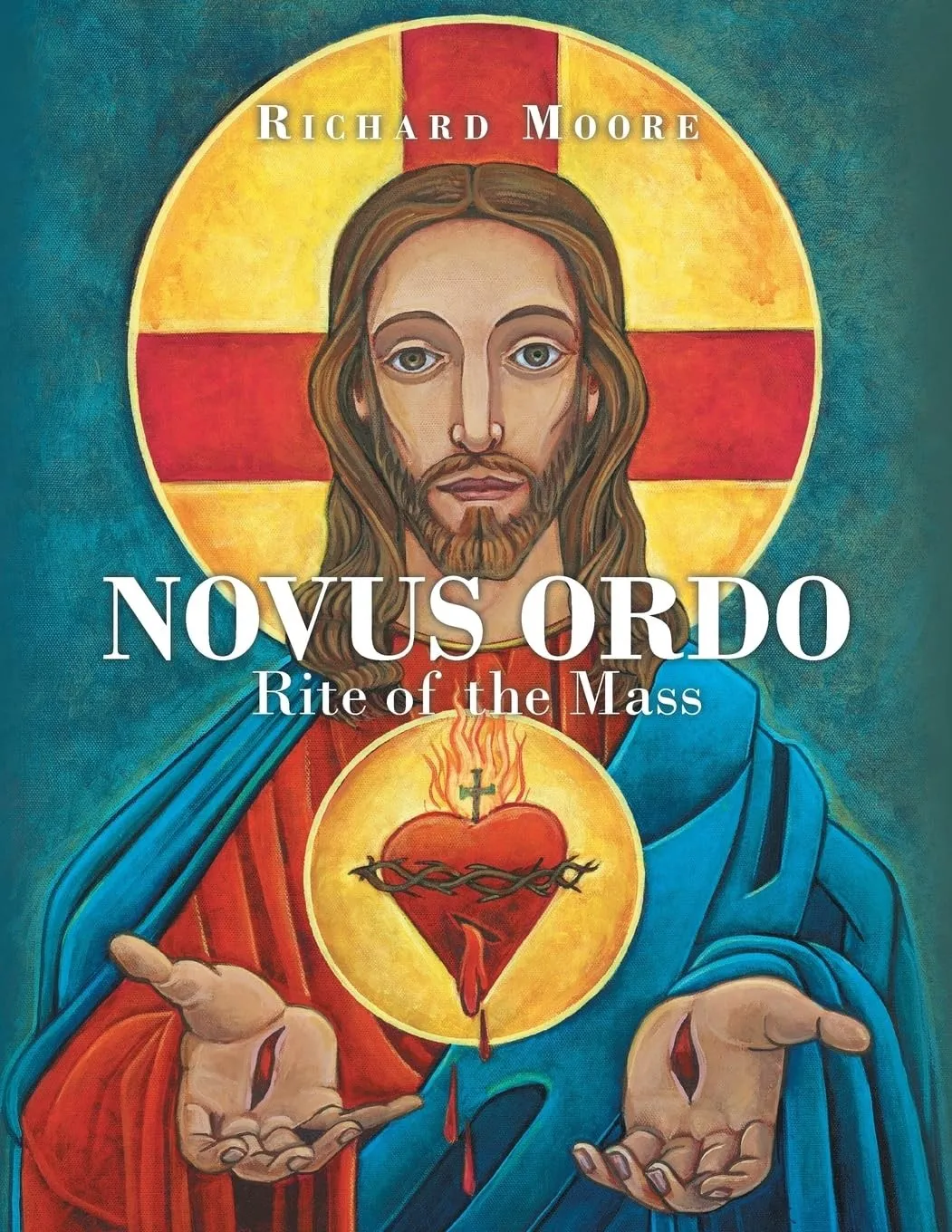
Cover art: the Sacred Heart, by Norman Faucheaux
Available now
Novus Ordo: Rite of the Mass
LearnPronounceUnderstandPray
Have you ever wondered what the Latin prayers of the Mass mean, or how they are properly pronounced? Novus Ordo: Rite of the Mass is a practical, easy-to-use guide for Catholics who want a deeper understanding of the language, history, and beauty of the Holy Mass — with pronunciation guides, accent placement, vocabulary, and a straightforward introduction to Latin grammar.
For priests, seminarians, choir members, Latin students, and any of the faithful seeking a richer appreciation of the Mass.
Inside this book
-
Learn
- The Latin texts of the Mass, as used in the Novus Ordo
- A straightforward introduction to Latin grammar
-
Pronounce
- Easy-to-follow pronunciation guides
- Proper accent placement and speaking tips
-
Understand
- Helpful Latin vocabulary references
-
Pray
- Selections from the Psalms and traditional hymns
Look inside
The Consecration, in Latin and English
From the book: the words of consecration from the first Eucharistic Prayer, the Roman Canon. The Latin sits beside Richard Moore’s literal English, line by line, with the priest’s rubrics in small italic and the vocabulary the book gives for the passage.
The acute accent shows which syllable takes the stress — the accent placement the book teaches.
Vocabulary for this passage
- ambo, ambae, ambo
- both
- aperte (adv.)
- openly, plainly
- frango, frangere, fregi, fractus (3)
- break
- index, indicis (3, m.)
- forefinger, sign
- manduco, -are (1)
- eat
- pridie (adv.)
- the day before
- patior, pati, passus sum (3)
- suffer
- pollex, pollicis (3, m.)
- thumb
- prout (prouti) (conj.)
- just as, according to
- teneo, tenere, tenui, tentus (2)
- hold
- verbum proferre, -tuli, -latus (irreg.)
- speak
Novus OrdoPrex Eucharistica I
Consecratio Panis
The Consecration of the Bread
In formulis quae sequuntur, verba Domini proferantur distincte et aperte, prout natura eorundem verborum requirit.
In the formulas that follow, the words of the Lord should be spoken distinctly and openly, just as the nature of these same words requires.
Qui prídie quam paterétur,
Who the day before He suffered,
Accipit panem, eumque parum elevátum super altáre tenens, prosequitur:
He takes the bread, and holding it a little bit elevated over the altar, he continues:
accépit panem in sanctas ac venerábiles manus suas,
He took bread into His holy and venerable hands,
Elevat óculos.
He raises his eyes.
et elevátis óculis in caelum ad te Deum Patrem suum omnipoténtem, tibi grátias agens benedíxit, fregit,
and with His eyes having been raised to heaven towards You, God His Father almighty, giving thanks to You, He blessed (it), broke (it),
Parum se inclínat.
He bows slightly.
dedítque discípulis suis, dicens:
and gave (it) to His disciples, saying:
Accípite et manducáte ex hoc omnes:
All of you, take and eat of this,
hoc est enim Corpus meum, quod pro vobis tradétur.
for this is My Body, which will be handed over to you.
Hóstiam consecrátam osténdit pópulo, repónit super paténam, et genuflexus adórat.
He shows the consecrated host to the people, places it again on the paten, and having genuflected, he adores (it).
Consecratio Vini
The Consecration of the Wine
Accipit cálicem, eúmque parum elevátum super altáre tenens, prosequitur:
He takes the chalice, and holding (it) raised slightly over the altar, he continues:
accípiens et hunc praeclárum cálicem in sanctas ac venerábiles manus suas,
taking also this splendid cup into His holy and venerable hands,
item tibi grátias agens benedíxit, dedítque discípulis suis, dicens:
again giving thanks to You, He blessed (it) and gave (it) to His disciples, saying:
Accípite et bíbite ex eo omnes:
Accept, and drink from it, all of you,
hic est enim calix Sánguinis mei, novi et aetérni testaménti,
for this is the chalice of My Blood, of the new and eternal covenant:
mystérium fídei,
the mystery of faith,
qui pro vobis et pro multis effundétur in remissiónem peccatórum.
which will be poured out for you and for many for the forgiveness of sins.
Cálicem osténdit pópulo, depónit super corporále, et genuflexus adórat.
He shows the chalice to the people, puts it down on the corporal, and having genuflected, he adores it.
1 póstquam coenátum est — when supper was done, or “after dinner.” Coenátum est is an impersonal verb, explained in the book’s grammar section.
Throughout the book, passages like this come with pronunciation guides, accent placement, vocabulary, and notes on grammar.
Buy the book on Amazon (opens in a new tab)For groups
For parishes, choirs, and seminaries
Saint Joseph Seminary College 2004–2013
Richard Moore taught second-year seminarians at Saint Joseph Seminary College for nine years. If you are considering Novus Ordo: Rite of the Mass for a seminary course, a parish Latin class, a schola, or a study group, write to us. Tell us a little about your group and how many copies you have in mind.
Who is the book for?
Priests, seminarians, choir members, Latin students, and any of the faithful who want a richer appreciation of the Mass.
What’s inside?
The Latin texts of the Mass, pronunciation guides, accent placement and speaking tips, vocabulary references, selections from the Psalms and traditional hymns, and a straightforward introduction to Latin grammar.
Where can I buy it?
On Amazon.
Buy on Amazon (opens in a new tab)Can our parish or seminary get several copies?
Write to us through the contact form, and say how many and when.
When will The Psalms be published?
It is in preparation. Use the contact form to ask to hear when it’s out.
Who painted the covers?
The Sacred Heart on Novus Ordo is by Norman Faucheaux. King David, on the forthcoming Psalms, is by Elizabeth Moore.
The Psalms
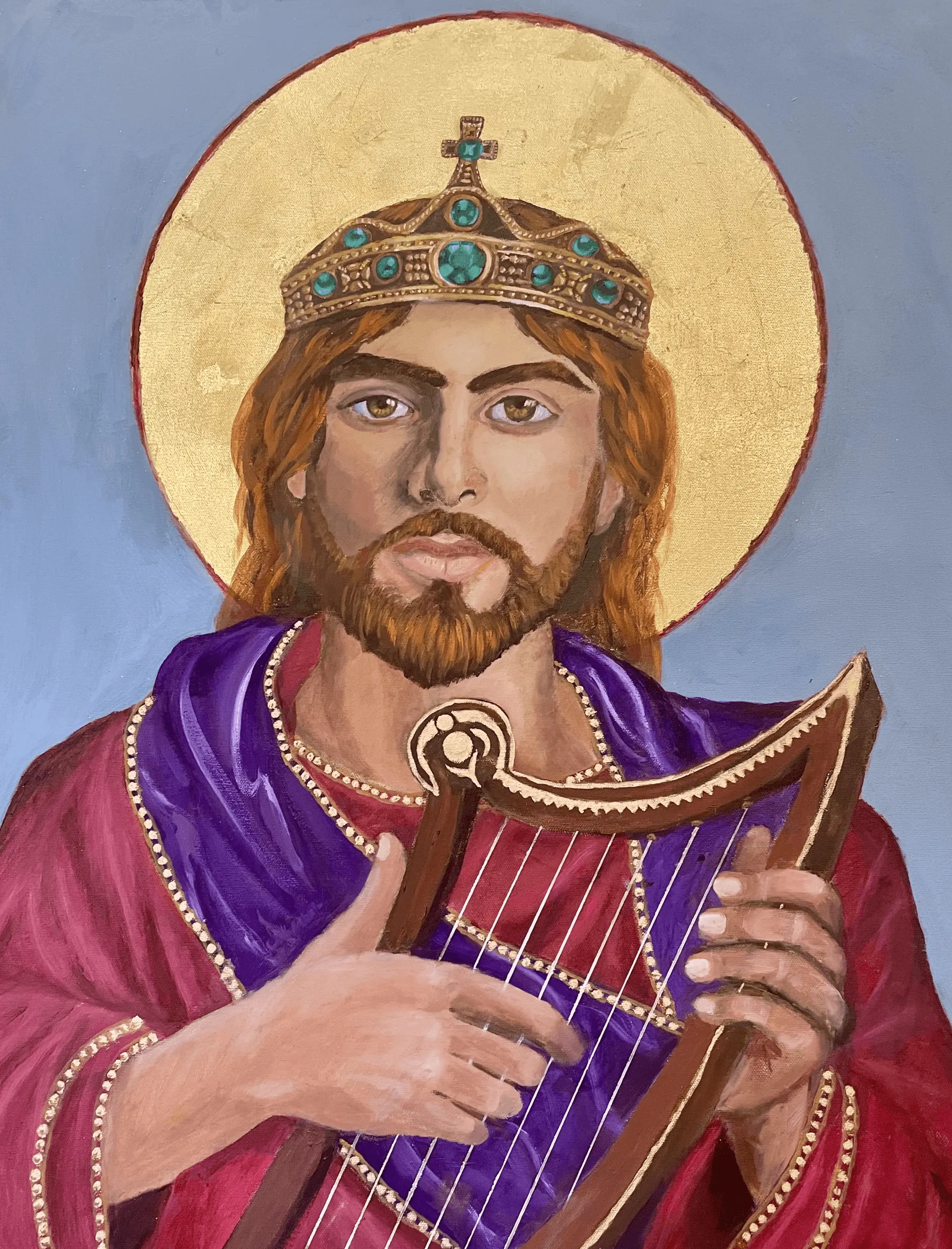
Cover design in progress
Cover art: King David, the Psalmist, by Elizabeth Moore
Forthcoming
The Psalms
A translation built on a teacher’s conviction: that one can learn the whole of the Latin language by learning the Psalms — and that in the psalms of David the Church hears the very words Christ would speak from the cross.
The cover painting, King David, the Psalmist, is by Elizabeth Moore: the shepherd-king with his harp, singer of the songs the Church still prays. See the painting →