Lex orandi, lex credendi the law of prayer is the law of belief
Discover the beauty of the Mass through Latin
A Naval Academy graduate who became a Latinist and a teacher of seminarians, Richard Moore writes practical guides to help you pronounce, understand, and pray the Latin of the Mass.

The Author
A Latin life, begun at the altar rail

The Book
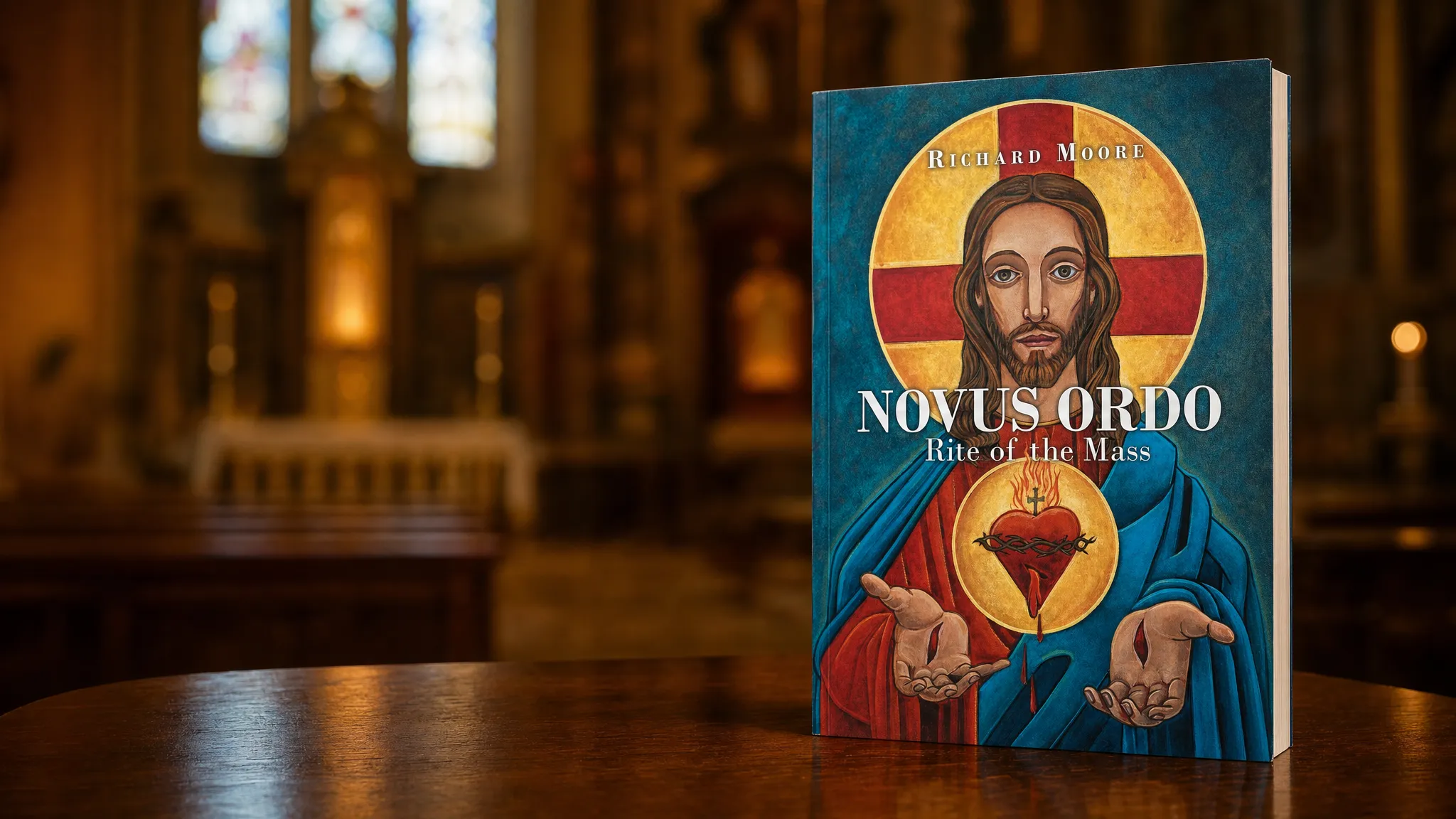
Novus Ordo: Rite of the Mass
A practical, easy-to-use guide for Catholics who want a deeper understanding of the language, history, and beauty of the Holy Mass.
Prex Eucharistica I
Eucharistic Prayer I
Consecratio Panis
The Consecration of the Bread
Qui prídie quam paterétur,
Who the day before He suffered,
Accipit panem, eumque parum elevátum super altáre tenens, prosequitur:
He takes the bread, and holding it a little bit elevated over the altar, he continues:
accépit panem in sanctas ac venerábiles manus suas,
He took bread into His holy and venerable hands,
Elevat óculos.
He raises his eyes.
et elevátis óculis in caelum ad te Deum Patrem suum omnipoténtem, tibi grátias agens benedíxit, fregit,
and with His eyes having been raised to heaven towards You, God His Father almighty, giving thanks to You, He blessed (it), broke (it),
Parum se inclínat.
He bows slightly.
dedítque discípulis suis, dicens:
and gave (it) to His disciples, saying:
-
LearnThe Latin texts of the Mass, and an introduction to grammar.
-
PronouncePronunciation guides, accent placement, and speaking tips.
-
UnderstandHelpful Latin vocabulary references.
-
PraySelections from the Psalms and the traditional hymns.
Who it’s for
Written for all who pray the Mass
- Priests Pronunciation and accent placement for the prayers spoken at the altar.
- Seminarians Grammar and vocabulary from a teacher who spent nine years with second-year seminarians.
- Choir members Pronunciation guides, with selections from the Psalms and the traditional hymns.
- Latin students A straightforward introduction to grammar, built on the texts of the Mass.
- The faithful For anyone who has ever wondered what the Latin prayers of the Mass mean.
Forthcoming
The Psalms
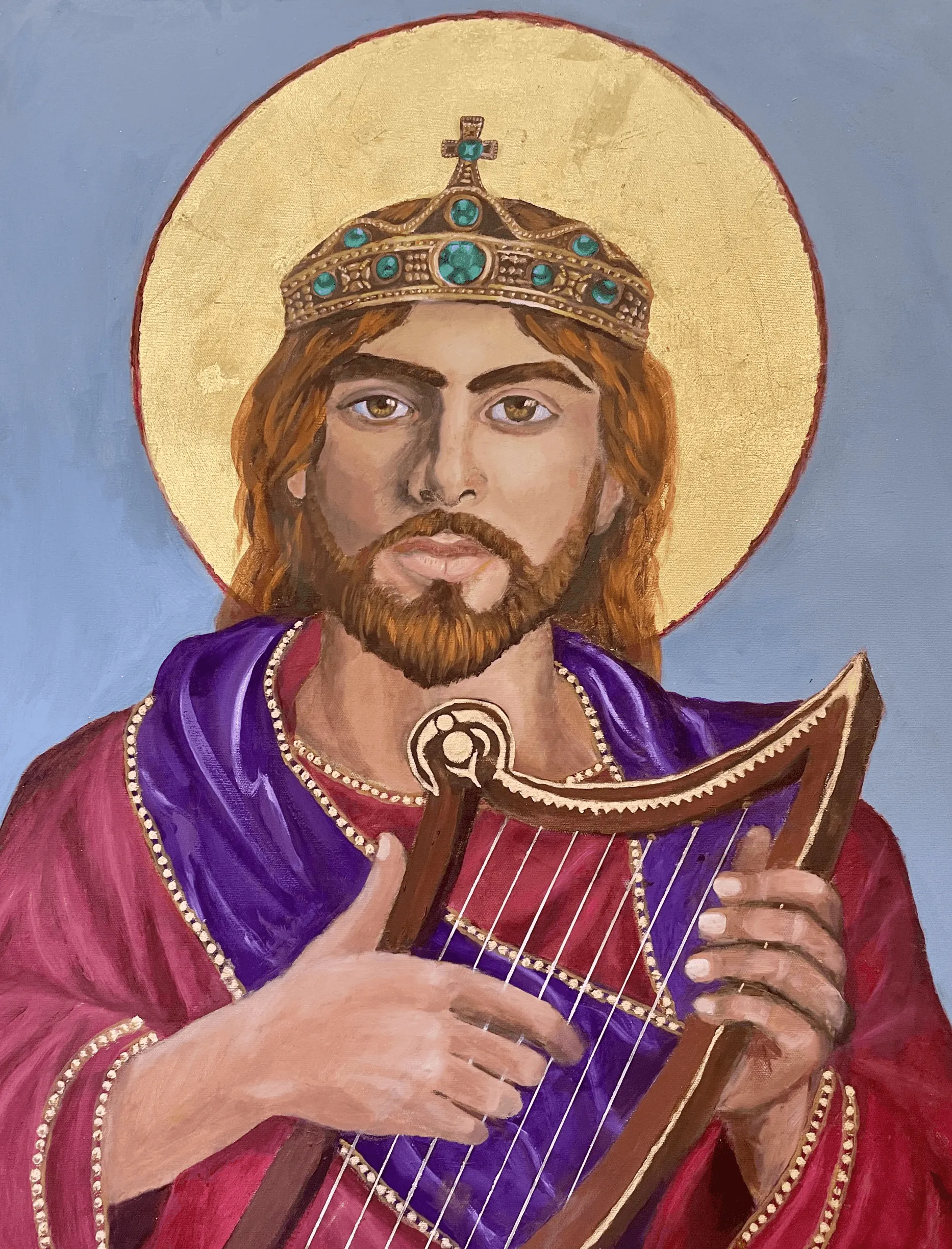
Richard’s next book teaches Latin through the Psalter — a lifelong teacher’s conviction that one can learn the whole language by learning the Psalms.
On its cover: King David, the Psalmist, painted by Elizabeth Moore, Richard’s wife.
His credo
With Latin you do not merely translate words — you translate ideas. And to understand Latin is to better understand English.